
Your brand is so much more than a name or logo—it's how people perceive, interact with, and talk about your business. That's why monitoring your brand is non-negotiable. Boosting your brand's online presence is critical as it gives you insight into public perception, customer sentiment and industry trends.
But how do you monitor your brand in a landscape that changes daily? We're breaking it all down for you in this ultimate guide. We'll cover everything from why brand monitoring is important, where to monitor, what to track and the tools to make it all easy. By the end, you'll have a clear roadmap for managing your brand reputation and staying ahead of the competition.
What is Brand Monitoring?
Brand monitoring is the process of tracking and analyzing online conversations about your brand, competitors and industry-related topics. In today's digital world, where social media networks and review sites are buzzing with activity, keeping an eye on your brand's online presence is more important than ever. Specialized brand monitoring tools help you gather insights from various sources, including social media channels, forums, and review sites, to understand your brand's reputation and customer sentiment.
By monitoring your brand online, you can find opportunities to engage with customers, address complaints quickly, and stay ahead of the competition. This proactive approach helps maintain a positive brand image and provides valuable data to refine your marketing campaign and improve customer relationships.

Why Is Brand Monitoring Important?
Tracking what's being said about your brand can be a game changer in being proactive, solving issues quickly and building loyalty. Here are five reasons why monitoring your brand matters:
1. Take Control of Your Brand's Reputation
Your brand's reputation can make or break your business. Social media posts are a global megaphone, and a single negative review or viral tweet can go viral and impact your brand's reputation. Monitoring your brand regularly allows you to address issues quickly and maintain a positive brand image.
2. Identify and Resolve Challenges
Do your customers complain about slow delivery or a confusing website? Monitoring online conversations can help you uncover recurring pain points and act on them before they escalate. Listening closely can also turn dissatisfied customers into loyal advocates. Crisis management is key to addressing issues quickly and preventing them from escalating.
3. Evaluate Audience Sentiment
It's not just what people say but also how they feel when they say it. Sentiment analysis lets you measure the emotions behind tweets, reviews, or posts. Knowing whether your audience is enthusiastic, neutral, or unhappy helps you fine-tune your messaging and strategies and gives you valuable brand insights.
4. Build Strong Customer Connections
Acknowledging your customer's concerns, questions, or praise shows you care. Responding to mentions and reviews builds trust and strengthens relationships. A little goes a long way in building lasting loyalty.
5. Monitor Competitors Strategically
Want a secret weapon to stay ahead? Monitor what's being said about your competition. Learn from their successes and failures, and use these insights to refine your business strategies.
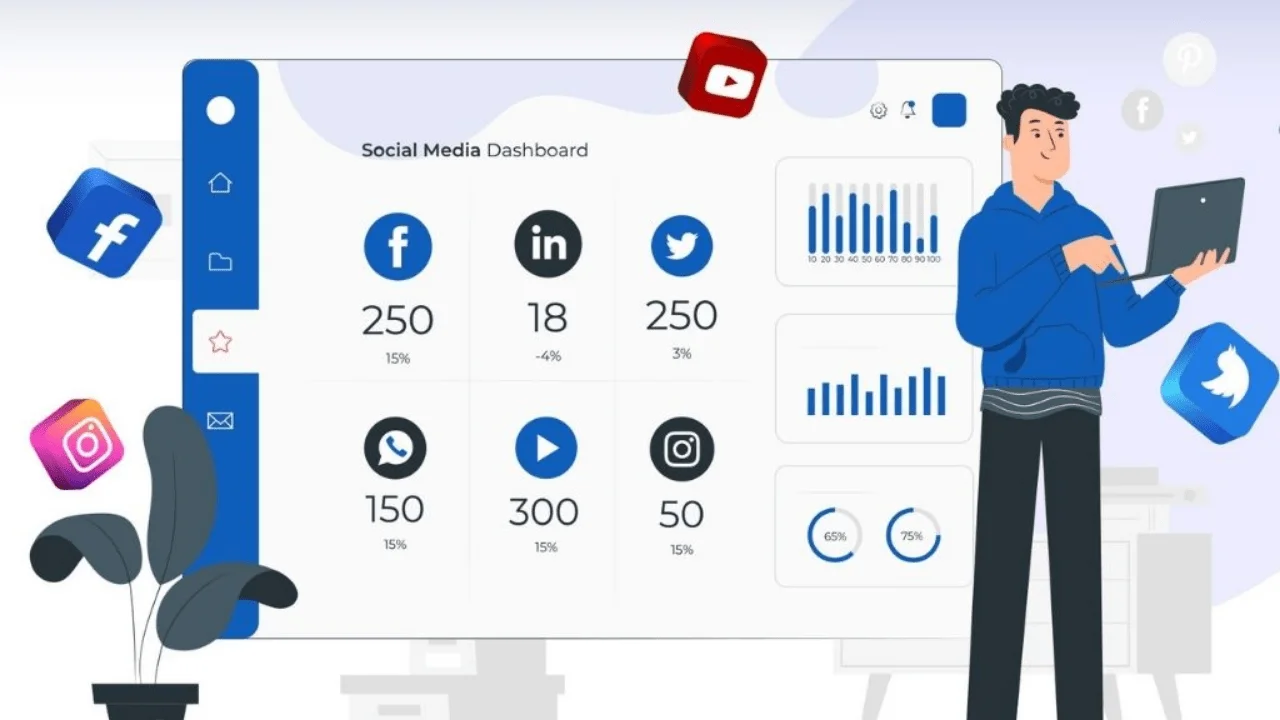
Where to Monitor Your Brand Awareness
Now that we've established why brand monitoring is important, the question is—where do you focus your efforts? To manage your brand's reputation and stay ahead of potential issues, it's crucial to know where conversations about your brand are happening. Maintaining and improving a brand's online presence through monitoring and responding to customer feedback is key. These discussions can happen across various platforms and spaces, from social media channels and online forums to review sites and news outlets. Here are the main platforms and spaces you should prioritize to track what's being said about your brand:
1. Social Media Monitoring
Social media monitoring on Twitter, Instagram, LinkedIn, and TikTok is critical, as they buzz with mentions. Use tools to monitor hashtags, direct mentions, and even indirect phrases related to your brand.
2. Online Forums
Remember, communities discuss your industry on platforms like Reddit or niche forums. Conversations on these platforms are unfiltered, raw, and honest.
3. News Sites
What's the media saying about you? Regularly scan news articles, press mentions and blogs to see how your brand is portrayed in public-facing content.
4. Reviews Websites
Your potential customers rely heavily on platforms like Yelp, Google Reviews, and industry-specific sites when making decisions. Responding to reviews—good or bad—makes a big impact.
5. Videos & Podcasts
Podcasters and YouTubers often share their honest opinions about products and services. Search for mentions of your brand across these platforms to stay in the know.
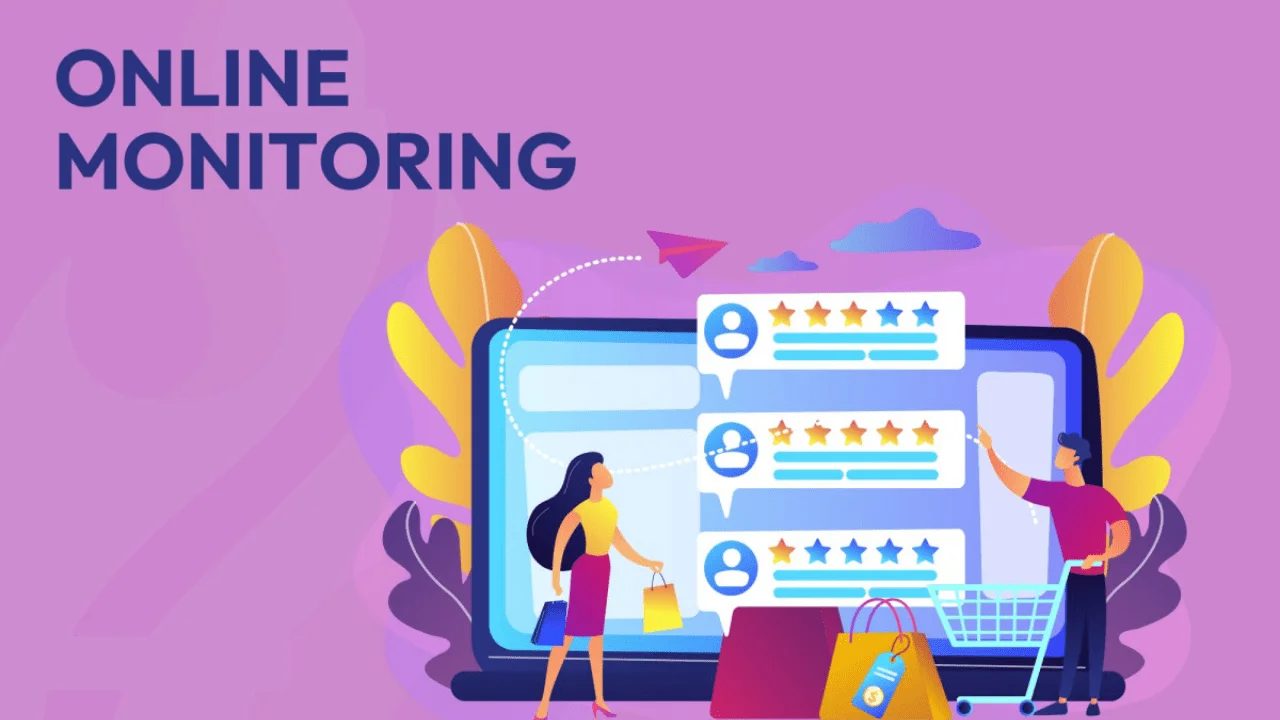
What to Track on Online Brand Monitoring
What gets measured gets managed, right? Tracking the right metrics is vital to understand and improve your brand performance. These key indicators give you valuable insights into how your strategies are working, where you need to adjust and how you can better connect with your audience. Start by focusing on these essentials:
- Mentions Volume: How many times has your brand been mentioned? Track as many relevant mentions as possible across various platforms to get real-time insights and understand audience perception.
- Sentiment Analysis: Are mentions positive, negative or neutral?
- Share of Voice: How much chatter is about your brand compared to competitors?
- Customer Feedback: Review scores, testimonials and direct feedback.
- Engagement Rates: How are people interacting with your brand's responses or posts?
Sentiment and Brand Health Analysis
Sentiment and brand health analysis are the backbone of brand monitoring. Sentiment analysis uses natural language processing (NLP) and machine learning algorithms to measure the emotional tone of online conversations about your brand. It helps you understand whether the chatter around your brand is positive, negative, or neutral and gives you a clear picture of customer emotions and perceptions.
On the other hand, brand health encompasses the overall reputation and perception of your brand online. Monitoring brand health involves tracking various metrics to identify potential issues before they become problems. By keeping a pulse on your brand's online presence, you can take proactive steps to maintain a positive reputation and ensure your brand is in good standing with your audience.
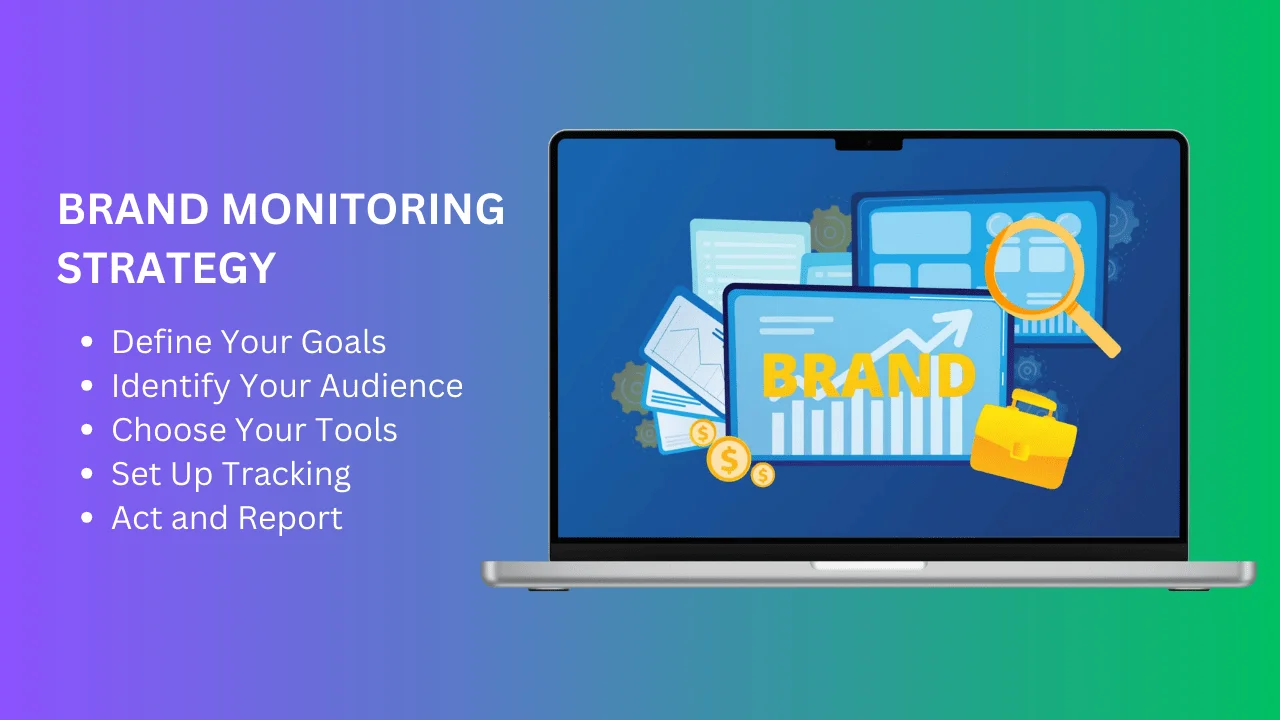
Building a Brand Monitoring Strategy
Building a brand monitoring strategy involves several key steps to ensure you track and respond to online conversations about your brand. Here's how to get started:
- Define Your Goals: What do you want to achieve through brand monitoring? Are you looking to improve customer engagement, track competitor activity, or identify industry trends? Clear goals will guide your monitoring efforts.
- Identify Your Audience: Who is your target audience, and which social media platforms do they use? This will help you focus your monitoring on the right channels.
- Choose Your Tools: Choose a brand monitoring tool that fits your needs and budget. Modern tools offer a range of features, from tracking brand mentions to analyzing sentiment and competitor activity.
- Set Up Tracking: Configure your chosen tool to track brand mentions, competitor brand mentions, and industry-related topics. Ensure you cover all relevant social media platforms, review sites, and forums.
- Act and Report: Analyze the data and report back to stakeholders. Use these insights to make informed decisions and adjust your marketing campaign.
Now, you're ready to get started and make progress. Here are five tools to help you do just that.
5 Easy Brand Monitoring Tools
1. BrandMentions
Great for beginners, BrandMentions tracks conversations in real time across social media, news, and forums. Its dashboard is also easy to use.
2. Similarweb
Want to keep up with competitors? Similarweb shows website traffic, relevant keywords, and more to show how competitors are performing in your market.
3. SEMrush
SEMrush offers more than digital marketing. It also has "brand listening" features, which allow you to see who is talking about your brand and adjust your strategy.
4. Brand24
Brand24 is ideal for both SMEs and large enterprises. Track brand mentions, sentiment scores, and trends.
5. Brandwatch
One of the most advanced options, Brandwatch uses AI to detect patterns, trends, and consumer behavior. It is great for monitoring large brands.
Measuring Success and ROI
Measuring the success and ROI of your brand monitoring is key to proving value and making informed decisions. Here are the KPIs to track:
- Mentions: How often is your brand mentioned online? This will help you determine its visibility and reach.
- Sentiment: Track sentiment over time to see how customer perception is changing. Positive sentiment indicates a healthy brand reputation, while negative sentiment indicates areas for improvement.
- Engagement: Measure engagement metrics such as likes, shares, and comments on your social media posts. High engagement means your content resonates with your audience.
- Customer Acquisition: How many new customers are you acquiring through your brand monitoring? This will help you see the direct impact of your monitoring on customer growth.
- Revenue: Consider sales data to attribute revenue growth to brand monitoring. Show a clear link between monitoring activities and revenue to justify the investment in brand monitoring tools.
By tracking these KPIs, you can prove that your brand monitoring is working and make data-driven decisions to improve your brand sentiment and overall campaign performance.
Challenges of Brand Monitoring Tools
Even with the best intentions, some obstacles will arise:
- Information Overload: Too much data can cause analysis paralysis. Focus on key metrics.
- Human Error: Misinterpreting sentiment or context is common. Use your tools with human insight.
- Consistency: Make sure your team monitors and responds consistently for long-term success.

Manage Your Brand With My Cheap Web Design
Overwhelmed? You don't have to do brand monitoring alone. Being a branding agency in Vancouver, we help businesses like yours succeed in today's digital world. We offer support from auditing your brand's online presence to implementing advanced listening strategies to see what people say about your business. Whether finding growth opportunities, managing your reputation or staying ahead of competitors, we've got your back every step of the way. Let us help you take control of your brand and unlock its full potential.
Get in touch today and watch your brand fly high.
Brand Monitoring FAQs
Do I need brand monitoring if my business is small?
Yes! Every business benefits from understanding how people perceive it, no matter how big or small. Even small steps make a big difference.
How often should I check my brand mentions?
For large businesses, daily monitoring is ideal. For smaller businesses, weekly monitoring is a good start.
Which metrics should I focus on?
Some key metrics to monitor include brand mentions, sentiment analysis, social media engagement, share of voice, and customer reviews. These indicators give you a clearer picture of how your brand is perceived and where improvements might be needed.
Can brand monitoring increase sales?
Yes! By addressing pain points, understanding customer needs, and adapting quickly, you'll be more likely to increase customer satisfaction and loyalty, ultimately increasing sales.
Get Your Brand Today!
Brand monitoring is in your modern-day toolkit! It involves monitoring what is said about your business on social media, forums, and other online platforms. By being informed, you can respond to feedback, address problems before they escalate, and even engage with your audience meaningfully. Use powerful monitoring tools to stay one step ahead in this competitive market.
Contact My Cheap Web Design to set up your brand for long-term success and connect with your audience today!
