
In today's digital landscape, Search Engine Optimization (SEO) is crucial—it's a gateway to online success. SEO goes beyond being a mere buzzword. It enhances your website's visibility, drives traffic, and fosters overall business growth. By implementing effective SEO techniques, you can unlock a wealth of opportunities for your website. It's not just about visibility; it's about the potential for growth and success that SEO brings.
Mastering SEO is a skill and a necessity for managing a small business or a large corporation. Understanding how to optimize your website for search engines can significantly impact your online presence, driving more traffic and improving engagement. Key strategies include using relevant keywords, creating high-quality content, and improving site speed and mobile responsiveness. Investing in SEO can increase traffic, improve engagement, and ultimately bring tremendous success to your business. Don't underestimate the power of SEO—it's the foundation for thriving in the digital world!
What is SEO?
Search Engine Optimization (SEO) is not just about making your site attractive to search engines like Google. It's about prioritizing user experience. SEO is about optimizing a website to attain higher rankings in search engine results pages (SERPs). A well-designed SEO strategy improves a website's visibility when users search for relevant keywords or phrases and provides a smooth user experience that fulfills visitors' needs.
The Importance of SEO for Websites
Why is SEO essential for websites? SEO drives organic traffic, which is the most valuable visitors genuinely interested in your offerings. Research indicates that over 53% of website traffic comes from organic search, highlighting the importance of SEO for online success.
Without effective SEO strategies, your website may struggle to gain visibility among potential customers, regardless of how excellent your products or services are. In today's competitive online marketplace, appearing on the first page of Google is crucial; otherwise, your target audience may not discover you. Embrace SEO to enhance your online presence and attract engaged visitors!
How Search Engines Work
Before diving into SEO strategies, it's essential to understand how search engines function. Search engines like Google, Bing, and Yahoo use complex algorithms to decide which websites are most relevant to a user's query. The process usually involves three steps:
- Crawling: Search engines use bots, also known as crawlers, to scour the internet and collect information on web pages.
- Indexing: After gathering data, the search engine indexes the content to make it easily retrievable.
- Ranking: Search engines rank websites in their search results based on several factors, such as relevance, authority, and user experience.
Tweak your website to charm those algorithms, and you'll climb the ranks faster than a cat video goes viral!
On-Page SEO Strategies
On-page SEO refers to optimization techniques applied directly to your website to enhance its performance and visibility in search engine results. These techniques include various elements such as the quality of your content, keyword usage, meta tags, and internal linking structure.

Since you have complete control over these aspects, they are critical in improving your website's visibility and ensuring a better user experience. By focusing on on-page SEO, you can effectively communicate to search engines what your website is about, helping to attract more organic traffic and improve your overall ranking.
01. Keyword Research
The foundation of an effective SEO strategy lies in keyword research. Understanding the specific terms and phrases your audience uses in their online searches is crucial before you start creating content. To discover high-traffic, low-competition keywords, utilize tools like Google Keyword Planner, Ahrefs, and SEMrush. Focusing on the right keywords can enhance your content's visibility and attract organic traffic to your website.
When incorporating keywords into your content, be strategic. Place them in:
- Titles and headings
- Meta descriptions
- URL structures
- Alt text for images
- Naturally, throughout the body content
02. Meta Tags Optimization
Meta titles and meta descriptions are essential elements of on-page SEO that give search engines a summary of your page content. They inform both the search engine and potential visitors what the page is about, making them crucial for attracting clicks. To optimize your meta titles and descriptions, ensure they are clear and concise while incorporating your main keywords effectively to improve visibility.
It's essential to keep your title tags under 60 characters to prevent them from being cut off in search results, while your meta descriptions should ideally be under 160 characters to ensure they display correctly.
Crafting engaging and informative meta descriptions can significantly increase your click-through rates. They serve as a brief advertisement for your content. Remember, a compelling meta description can distinguish between a user clicking on your link or choosing another!
03. High-Quality Content Creation
Content is king in SEO and is crucial in determining your website's visibility and success. High-quality, informative, engaging, and well-researched content can dramatically improve your rankings on search engines. Search engines prioritize content that captures attention and provides real value to users. Aim to create content that answers your audience's questions and solves their problems, as this builds trust and authority in your niche.
Incorporating bullet points, short paragraphs, and subheadings can significantly enhance the readability and digestibility of your content. These elements help break up text and guide readers through your message, making it easier for them to quickly find the information they need.
Consider including relevant images, infographics, or videos to further engage your audience and enrich their experience. Creating comprehensive, user-friendly content can improve your SEO performance and foster a loyal readership.
04. Internal Linking
Linking between pages on your website is a crucial practice that enhances the experience for users and search engines, allowing them to navigate your site more efficiently and intuitively. Internal linking not only facilitates smoother navigation but also plays a significant role in improving your SEO. By spreading link equity—essentially the value passed from one page to another—you can enhance the authority of various pages on your site.
Additionally, establishing an information hierarchy helps search engines understand the structure and importance of your content, which can lead to better indexing and ranking. For instance, consider linking your blog posts to relevant service pages or cornerstone content that provides in-depth information. This strategy not only guides your audience to discover more of your offerings but also reinforces the relevance of your key pages in the eyes of search engines.
05. Mobile Optimization
More than half of all web traffic now originates from mobile devices, highlighting the importance of optimizing your online presence for mobile users. Mobile responsive website designing is critical for effective SEO practices. Google has shifted its focus to mobile-first indexing, meaning it predominantly uses the mobile version of your site when determining its ranking and indexing in search results.
This shift in strategy impacts how users interact with your content and influences your site's visibility and accessibility.
Therefore, investing in a responsive design, fast loading times, and an intuitive user experience is essential for attracting and retaining visitors in today's digital landscape.
Off-Page SEO Strategies
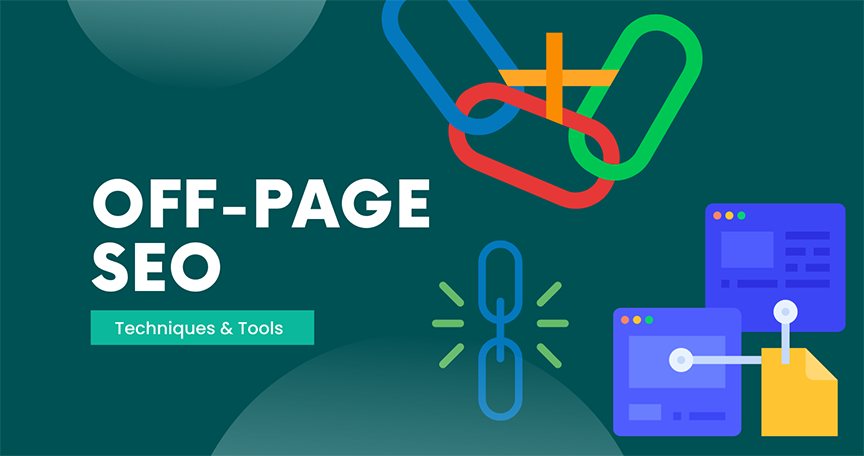
Off-page SEO involves strategies implemented outside your website to enhance search engine rankings. Essential techniques include link building, social media marketing, and influencer outreach to increase your site's visibility and credibility.
By actively engaging in these off-page SEO practices, you can strengthen your website's reputation and authority within your industry, signaling search engines that your content is valuable and trustworthy.
An effective off-page SEO strategy can significantly improve your site's performance in search results, driving more traffic and potential customers to your business. Embrace these techniques to elevate your online presence and achieve better rankings!
01. Backlink Building
Backlinks are links from external websites that direct traffic to your site. They serve as endorsements, indicating to search engines that your content is valuable and trustworthy. A greater quantity of high-quality backlinks will enhance your site's performance in search results. Here are some effective strategies for acquiring backlinks:
- Guest blogging
- Collaborating with influencers
- Creating shareable infographics or videos
- Earning mentions in authoritative publications
02. Social Signals
While social media doesn't directly impact SEO rankings, it can significantly enhance your efforts. When your content is shared widely across popular platforms like Facebook, Twitter, and LinkedIn, it attracts more traffic to your website. This traffic influx increases engagement, leading to higher rankings in search engines. This traffic influx signals to search engines that your content is valuable and relevant, potentially improving your SEO performance over time.
Strong social signals can also help with brand awareness as more people become familiar with your brand through social networks. Moreover, engaging actively on social media can create valuable backlink opportunities, as other websites may link to your content when they see it being shared and discussed widely. Thus, leveraging social media effectively can create a powerful synergy with your SEO strategy.
03. Online Reviews
Online reviews on platforms like Google My Business and Yelp can significantly influence your website's visibility, particularly in the context of local SEO. When potential customers search for services or products in their area, these reviews are a crucial deciding factor. Positive reviews act as powerful social proof, reassuring potential customers of your credibility and encouraging them to visit your site.
Cultivating a solid online reputation is essential to actively encouraging satisfied clients to share their positive experiences. Additionally, promptly addressing negative feedback demonstrates your commitment to customer satisfaction and shows prospective clients that you value their opinions and are dedicated to improving your services. Engaging with reviews can foster trust and enhance your brand's image in the competitive online marketplace.
Technical SEO Essentials
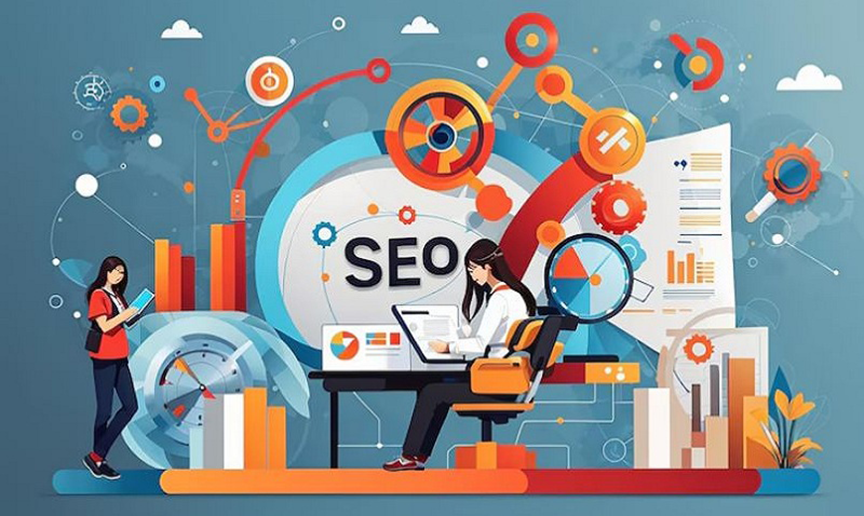
Technical SEO ensures that search engines can crawl and index your site efficiently. This involves optimizing site speed, mobile-friendliness, and structured data, which help search engines better understand your content. Addressing these technical aspects creates a solid foundation for a successful SEO strategy, enabling your website to rank higher in search results and enhancing overall user experience.
01. Site Speed Optimization
Search engines prioritize site speed as a critical ranking factor. A slow-loading website negatively impacts user experience and increases bounce rates. To optimize your website for faster load times, use tools like Google Page Speed Insights to pinpoint improvement areas. Implement strategies such as compressing images, reducing server response times, and utilizing browser caching. Enhancing your site speed can boost user satisfaction and improve search engine rankings.
02. Secure Sockets Layer (SSL)
An SSL certificate is critical for securing your website and enhancing your SEO efforts. By enabling HTTPS, you signal to search engines that your site is secure and provide users with an extra layer of trust and safety. This secure connection encrypts the data exchanged between your website and its visitors, protecting sensitive personal and payment information.
If your site is perceived as insecure, it risks being penalized in search rankings, which can significantly impact your visibility online. Moreover, users are increasingly cautious about interacting with websites that don't prioritize security; an unsecured site may deter them from engaging with your content or completing transactions.
Therefore, investing in an SSL certificate is not just about compliance; it's about fostering customer confidence and ensuring a positive user experience.
03. XML Sitemaps
An XML sitemap is your website's secret weapon for boosting visibility! It acts like a roadmap, guiding search engines through your site's structure and helping them discover all your content in a flash. Think of it as a blueprint that lists every page, ensuring they're indexed and ready to shine. Luckily, most CMS platforms, such as WordPress, have handy plugins like Yoast SEO that effortlessly generate sitemaps for you!
The Role of User Experience in SEO
A seamless user experience (UX) can significantly impact your search rankings, influencing how users interact with your site and how search engines perceive its value. Google's algorithms increasingly prioritize user-friendly websites that prioritize ease of navigation, fast loading times, and engaging layouts.
This shift in focus means that webmasters and businesses must invest in usability to improve their rankings. Enhancing user satisfaction through intuitive design and accessible content fosters customer loyalty. It increases the likelihood of attracting more organic traffic. A commitment to delivering an exceptional UX can lead to better search visibility and long-term success.
01. Navigation and Structure
An intuitive site structure enhances the overall user experience. It plays a crucial role in helping search engines index your pages more effectively. A well-organized custom website development makes it easier for visitors to find the information they're looking for, which can lead to longer visit durations and reduced bounce rates. To ensure your website's navigation is user-friendly, ensure it is easy to follow and organized.
Consider implementing breadcrumb trails that allow users to track their location within your site, header menus that provide quick access to critical sections, and sidebars that offer additional links or resources. These tools guide users through your site and help establish a logical hierarchy that search engines can easily interpret.
02. Engaging Multimedia
Incorporating multimedia elements such as videos, infographics, and images into your content strategy can significantly enhance user engagement. These dynamic components make your site visually appealing and provide varied ways for visitors to absorb information.
By utilizing multimedia, you can capture attention and keep visitors on your site longer, ultimately improving your dwell time—a crucial factor that search engines consider when determining SEO rankings.
This increased interaction can lead to higher conversion rates and better user retention. However, it's important to remember to optimize multimedia files for faster loading speeds, as slow-loading content can detract from user experience and negatively impact your site's performance in search results.
Search Engine Optimization For Websites
Incorporating SEO for websites is a crucial, ongoing process that can lead to significant benefits over time. To effectively harness search engine optimization (SEO), it's essential to understand the importance of both on-page and off-page SEO techniques in boosting your site's visibility and ranking.
Focus on mastering key elements like keyword optimization, meta tags, and content structure. These factors greatly influence how search engines interpret and rank your site. Additionally, staying updated on technical SEO practices—such as enhancing site speed, ensuring mobile-friendliness, and optimizing your website's architecture—can improve user experience. A better user experience encourages visitors to spend more time on your site, reducing bounce rates and signaling to search engines that your content is valuable.
Remember, SEO is not a one-time task; it's a continuous journey. Regularly update your content and strategies to maintain and improve your search rankings. Conduct routine audits, monitor your site's performance, and analyze competitors to stay ahead. Keeping informed about the latest trends and algorithm changes in the SEO landscape is vital for achieving sustainable, long-term results. Embrace SEO for websites as an integral part of your digital marketing strategy to unlock your website's full potential.
