
Mobile page speed isn't just a technical detail; it's a game-changer for user experience, SEO rankings, and business success. Think about it—how often have you abandoned a mobile site because it took too long to load? If the answer is "often," you're not alone. Internet users expect fast, seamless browsing on their mobile devices, and if they don't get it, they'll leave, often never to return.
This ultimate guide will walk you through why mobile speed matters, common culprits slowing your site down, and actionable ways to fix it. Plus, we'll explore tools, best practices, and WordPress-specific tips to help you achieve blazing-fast mobile performance.
Why Mobile Page Speed Matters
User Expectations and Bounce Rates
Did you know it takes less than three seconds of load time for most users to bounce? Just three seconds! A slow mobile website doesn't just frustrate users—it drives them away. Higher bounce rates, lower engagement, and reduced customer trust can all result from a site that doesn't keep up. But here's the good news: optimizing your site speed can change everything! By creating a faster, smoother experience, you'll keep users engaged, build trust, and set your digital marketing up for success. Let's make it happen!
Impact on SEO and Google Rankings
Mobile site speed is a game-changer for your search engine rankings—and Google has made that crystal clear! A slow site can drag down your position, costing you valuable search engine rankings. But here's the good news: fast-loading mobile versions don't just boost your rankings—they also create a better experience for your users. It's a win-win! Want to improve your organic search performance? Focus on speeding up those mobile pages and watch your success soar!
Business Impacts
Slow mobile sites don't just frustrate users—they can cost you sales! Did you know that poor mobile performance can drag down conversions, engagement, and revenue? Every extra second your page takes to load could lower your conversion rates by 7%. But here's the good news: speed is within your control, and it can make a huge difference! A faster site means happier users, higher sales, and better results. Let's make speed your superpower and take your digital success to the next level!
Understanding Mobile Page Speed Metrics
- Mobile site speed metrics measure the performance of web pages on mobile devices, including load time, page speed, and user interaction.
- These metrics help identify bottlenecks and areas for improvement to optimize mobile page speed and enhance user experience.
- Key metrics include page load time, HTTP requests, and bandwidth usage, which impact the overall web performance of the mobile version.
- Analyzing these metrics is essential to developing an effective mobile site speed optimization strategy and improving mobile site performance.

Common Reasons Your Mobile Site is Slow
Understanding the problem is half the battle. Here are some common causes of a slow mobile version:
1. Differences Between Mobile and Desktop Performance
Mobile sites must load differently than desktop versions. Ensuring they're optimized for mobile-first indexing is key.
2. Unoptimized Images and Media
Large, high-resolution images take far too long to load on mobile devices.
3. Lack of Mobile Caching
Mobile browser caching lets repeat mobile visitors view your site faster by storing elements locally on their devices.
4. Overuse of Animations or Sliders
Excessive use of animations, sliders, or preloaders can hurt load times.
5. Too Many Plugins (Especially for WordPress sites)
While plugins are convenient, an overload can slow things down dramatically.
6. Render-blocking JavaScript and CSS
Unoptimized CSS or JavaScript can delay when a page becomes visible to users.
7. Large File Sizes and Heavy Page Weight
Too many file requests and uncompressed files make your site drag.
How to Test Mobile Site Speed
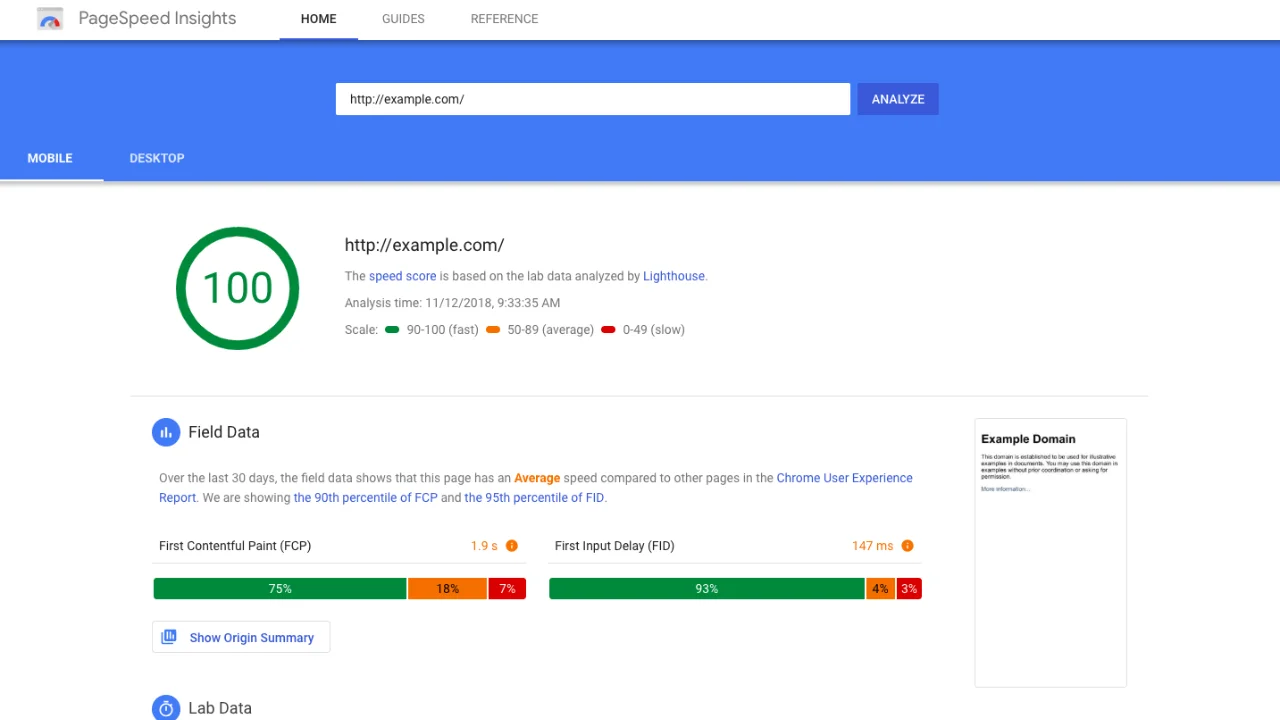
Testing your mobile site speed is a game-changer for boosting performance and creating a seamless user experience! Tools like Google PageSpeed Insights, Pingdom Website Speed Test, and WebPageTest are here to help you succeed. They offer powerful insights into your web performance, showing you exactly where to improve—whether it's fixing render-blocking resources, optimizing images, or reducing those pesky HTTP requests.
The best part? These tools make it easy to spot and tackle issues so you can keep your site running fast and smoothly. Regular testing and monitoring are the secrets to staying ahead and delivering an amazing experience for your users. Start testing today—your mobile site (and your audience) will thank you!
Google PageSpeed Insights
This free tool not only scores your site but also offers optimized suggestions.
GTmetrix
Provides granular insights, including load times and Total Blocking Time (TBT).
WebPageTest
Offers advanced diagnostics, including waterfall models and metrics like Time to First Byte (TTFB).
Key Metrics to Monitor
- Largest Contentful Paint (LCP) - Measures loading performance.
- Time to First Byte (TTFB) - The time a browser waits for a response from the server.
- Cumulative Layout Shift (CLS) - Measures visual stability.
- First Input Delay (FID) - Landscape of interactivity.

11 Proven Ways to Optimize Your Mobile Site for Speed
Now you know what's slowing things down. Here's how to speed things up:
- Mobile site speed optimization strategies include optimizing mobile site speed, minimizing HTTP requests, and eliminating render-blocking resources.
- Implementing lazy loading, optimizing server response time, and using a content delivery network (CDN) can also improve mobile page speed.
- Mobile-friendly design, responsive user experience, and fast-loading websites are essential for user engagement and conversion rates.
- Understanding mobile SEO and using real user monitoring tools can help identify areas for improvement and optimize mobile site performance.
- Minimizing HTTP requests is critical to improving mobile page speed, as each request can add to the overall load time.
- Techniques like combining CSS files, using CSS sprites, and minimizing web assets can help reduce HTTP requests.
- Optimizing images and using lazy loading can also help reduce the number of requests and improve mobile site speed.
- Regularly monitoring and optimizing HTTP requests is essential to ensure optimal mobile site performance.
- Eliminating render-blocking resources is essential to improve mobile page speed, as these resources can prevent the page from loading quickly.
- Techniques like optimizing CSS, using async scripts, and minimizing web assets can help reduce render-blocking resources.
- Understanding core web vitals and using developer tools can help identify areas for improvement and optimize mobile site performance.
- Implementing lazy loading and optimizing server response time can also help eliminate render-blocking resources and improve mobile site speed.
Optimize and Lazy Load Images
Image optimization plays a crucial role in mobile speed optimization, as large image files can significantly slow down page load times. Techniques such as compressing images, using CSS sprites, and implementing lazy loading can help reduce file sizes and improve loading speeds. By optimizing images, websites can decrease bandwidth usage and enhance mobile page speed, leading to a better user experience. Additionally, using image optimization tools and plugins can streamline the process and boost mobile site performance.
Compress multiple images with tools like TinyPNG and enable lazy loading to improve initial page load speeds.

WordPress-Specific Mobile Optimization Tips
For WordPress sites, here are tailored tips to speed up your mobile site:
- Choose a Performance-Focused Theme: Opt for lightweight, SEO-friendly themes like GeneratePress or Astra.
- Use Optimization Plugins: WP Rocket, LiteSpeed Cache, and Autoptimize are must-have tools.
- Lazy Load Images with Plugins: Tools like Smush or ShortPixel are excellent for optimizing images without compromising quality.
- Avoid Plugin Overload: Deactivate or delete unnecessary plugins to keep your site light.
- Compare Before & After Performance: Test your speed improvements after every optimization step with benchmarking tools.
Bonus: What Are Accelerated Mobile Pages (AMP)?
AMP is an incredible technology designed to make your mobile pages load at lightning speed! By using a simplified HTML framework, AMP ensures your content appears almost instantly. Want faster, smoother user experiences? AMP is here to help you level up your digital game—because speedy pages mean happier users and more engagement!
Should You Use AMP?
Pros:
- Improved load speeds
- Higher SEO performance
- Enhanced user experience
Cons:
- Limited design flexibility
- It may not suit all business needs
For publishers and content-heavy sites, AMP can be a game-changer.

Building a Website Performance Culture
The secret to a blazing-fast and seamless mobile experience? Building a performance-first culture within your team! Start prioritizing speed and watch your site deliver an incredible experience for users. With the right mindset and focus, you can achieve digital success and leave slow-loading competition behind. Let's make it happen!
- Test Regularly: Continuous testing ensures a consistently optimized experience.
- Encourage Team Collaboration: Design, development, and content teams must work together.
- Adopt a Mobile-first Mindset: Focus on optimizing projects for mobile users from the beginning.
Fast Mobile Sites Are Non-negotiable
Mobile speed isn't just a "nice-to-have" anymore—it's a must-have! Your users expect it, and search engines like Google demand it to trust your site. The great news? By fixing common issues, using the right testing tools, and following best practices, you can turn your mobile site into a lightning-fast experience that wows your audience.
Ready to take your site to the next level? Make mobile site speed optimization a top priority this year! Every second you save means happier users, better search engine rankings, and stronger results for your business. Don't wait—your potential customers certainly aren't! Let's make it happen!
