
Ready to create a website but not sure where to begin? Don’t worry—you’ve got this! Whether you’re starting a business site, a personal blog, or an e-commerce platform, great websites start with smart planning. A well-thought-out plan sets the foundation for success, helping you build something that’s not just functional but truly impactful! It’s your chance to showcase your brand, crush your goals, and give your audience an incredible experience they’ll love. Let’s get started—your dream website is closer than you think!
Ready to plan an amazing website? This guide has got you covered! We’ll take you step by step through everything you need to know—from setting clear goals and understanding your audience to choosing the perfect tools and design elements. Establishing a brand's visual identity is crucial to influence the look and feel of your website. By the end, you’ll have a solid plan to create a website that not only looks fantastic but also drives real results. Remember, you need to make a strategic content plan to drive organic traffic effectively. Let’s get started and make your vision a reality!
Introduction to Website Planning
Website planning is a crucial step in creating a successful online presence for businesses, entrepreneurs, and bloggers. A well-planned website helps achieve business goals, drives traffic, and sells products. The website planning process involves understanding the target audience, their needs, and goals. A website plan should be tailored to the business’s specific needs and goals. Planning a website requires research, analysis, and strategy. A website plan should include a clear vision, mission, and objectives. The planning process helps identify the main deciding factor for various aspects of the project. A clear project scope helps create a smooth and efficient development process.
Defining Website Goals and Purpose
Every great website starts with a clear purpose! Ask yourself, What do I want my website to achieve? Defining what you want to achieve with your website is the first step toward success. Let’s dive in and set some powerful, effective goals that will guide your website toward making an impact! You’ve got this!
- Identify your main objective! What’s your goal—generating leads, boosting sales, or building brand awareness? For example, if you’re running an e-commerce site, you’ll want to focus on driving sales. If you have a portfolio site, it’s all about showcasing your expertise! Whatever your purpose, knowing your objective is the first step to digital marketing success. You’ve got this!
- Set specific and measurable goals! Instead of saying, “I want more traffic,” go for something clear and actionable, like, “I want to boost monthly sign-ups by 20% in the next six months.” You’ve got this—setting focused goals is the first step toward digital marketing success!
- Make your website work for your business goals! Want to break into a new market? Your website design and content should showcase that ambition! Aligning your website with your objectives is a powerful way to drive growth and opportunity. Let your website reflect where your business is heading—boldly and confidently!
Clearly defining your goals is the key to success! With a strong foundation in place, your entire website planning process will stay focused and purposeful, guiding every decision you make. Let your goals lead the way to a website that truly delivers results!

Understanding Your Target Audience
Your website isn’t just about your business—it’s about understanding different audiences to effectively tailor your content and design! To truly connect and engage with your visitors, it’s essential to understand who they are. Ready to get started? Let’s dive in! You’ve got this!
- Dive into demographics and psychographics! Who are your dream visitors? Think about their age, gender, interests, challenges, and motivations. Understanding your audience is the first step to creating a marketing strategy that truly connects! You’ve got this!
- Create buyer personas. These fictional profiles represent your ideal customers. For example: Emily, 29, a tech-savvy professional looking for affordable home office gadgets.
- Solve their problems! What does your audience need right now? Are they searching for quick solutions, expert tips, or fresh inspiration? Your website is your chance to deliver real value—help them, guide them, and inspire them to take action!
When your website speaks directly to your audience’s needs, it builds trust and keeps them coming back! Ready to make that happen? By addressing what they’re looking for, you create a connection that inspires confidence and loyalty. Let’s get your message out there and start building those lasting relationships today!
Developing Your Unique Selling Proposition (USP)
What sets your website apart from the competition? This is your time to shine! Your unique selling proposition (USP) is your secret weapon to stand out and win over your audience. Ready to define and showcase it? Let’s dive in and make your website unforgettable!
- Discover your standout features! Is it your exclusive services, competitive pricing, or an innovative product? Pinpoint what makes you unique and own it—this is your superpower!
- Show your value loud and clear! Don’t just explain what you offer—demonstrate how it makes a difference! Does your product save time? Make life easier? Solve a big problem? Highlight those benefits with confidence and show your audience how you can improve their world!
- Show off your unique edge! Make sure your visitors immediately see what makes you stand out—whether it’s on your homepage, service pages, or even in your calls to action. Let your USP shine and inspire confidence! Look at competitor sites for inspiration on brand design elements to ensure your website is both unique and effective.
If you’re running an e-commerce site with same-day delivery, make sure to highlight this service loud and clear! Use bold, attention-grabbing statements like, “Shop today, delivered tonight!” to show customers the convenience and speed you offer. Let them know you’re here to make shopping easier and faster than ever!
Securing a Domain Name
Your domain name is your online identity—it’s the foundation of your digital presence! Choosing the perfect one is a big step, and you’ve got this! Here’s what to keep in mind:
- Make it memorable. A short, easy-to-remember domain name like “bestcoffee.ca” will leave a lasting impression.
- Use your brand name. If possible, include your business name to reinforce brand recognition.
- Consider the site's architecture and user experience. A well-structured domain name can enhance your site's functionality and user experience.
- Choose a reliable hosting provider. Factors like uptime, security, and scalability will affect your website’s performance. Platforms like Wix or Bluehost simplify the process by offering domain and hosting bundles.
A reliable domain and hosting are the foundation of an always-accessible website! They keep your site running smoothly, delivering a seamless user experience every time. Ready to level up your digital presence? Let’s make it happen!
Selecting a Website Builder
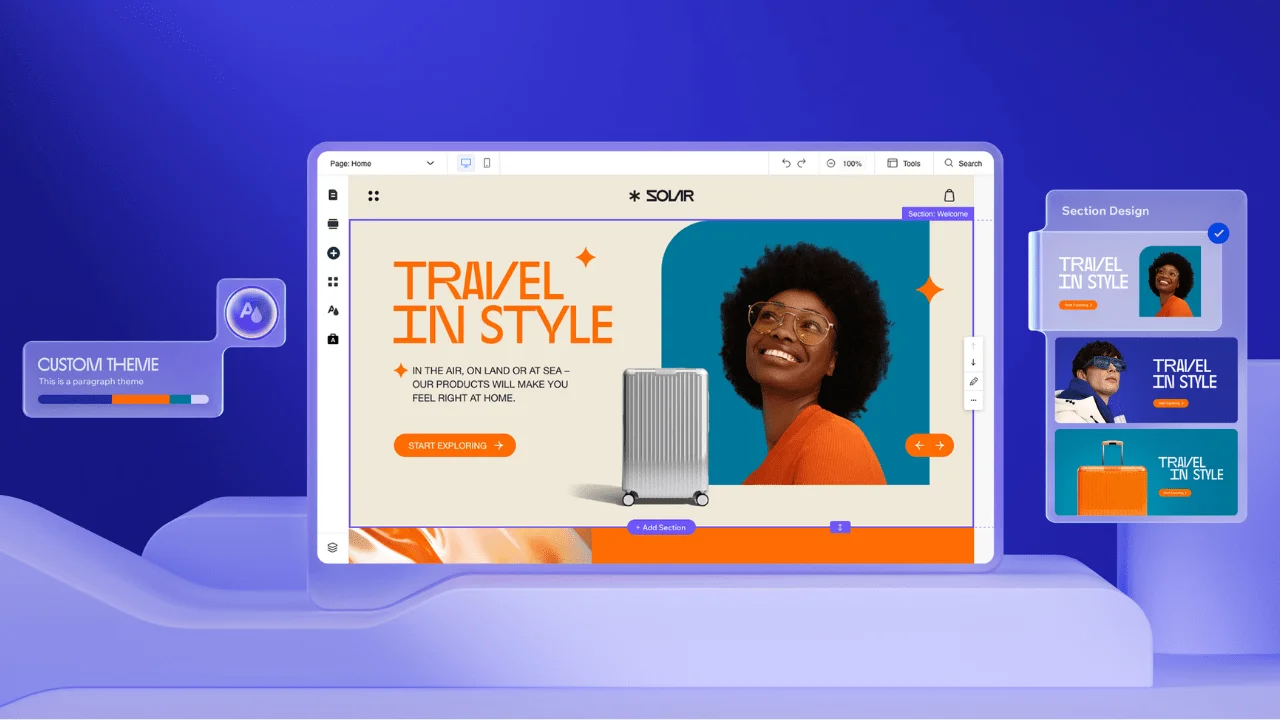
Every great website starts with the right tools—and that means choosing the perfect website builder or content management system (CMS)! Ready to bring your vision to life? Let’s dive into how to pick the best option for you and the steps to build a website that meets your goals. You’ve got this!
- Website builders. Ready to create your own website? Tools like Wix and Squarespace make it easier than ever! These beginner-friendly platforms offer simple drag-and-drop features, so you can customize your site with confidence. No coding? No problem! You’ve got this!
- CMS platforms. Looking for flexibility and scalability? WordPress has got you covered! With countless plugins and themes, you can easily customize your site—no coding needed. It’s the perfect way to build something amazing and take your digital presence to the next level!
- Hire a professional! Want a one-of-a-kind website that truly stands out? Work with a web designer or developer to create something fully custom and uniquely yours. You’ll get a polished, professional touch that sets your site apart and helps you shine online!
Choose a builder that fits your technical skills, budget, and long-term goals! You’ve got this—finding the perfect fit is all about aligning your needs with the right tools. Ready to take the next step? Let’s make it happen!
Planning Website Design and UX
Your web design isn’t just about looking good—it’s about creating an amazing, user-friendly experience for your visitors! Ready to take your site to the next level? Let’s dive into these essential design tips and build something incredible together!
- Focus on user-friendliness. Prioritize easy navigation, fast loading speeds, and mobile responsiveness since over half of web traffic comes from mobile devices.
- Design for your brand. Use colors, typography, and styling consistent with your brand’s identity. Tools like ColorHunt can help with color selection.
- Conduct usability testing. Before launching, ensure users can easily find key information and complete actions like signing up or making a purchase.
A well-designed website invites visitors to stay longer and keeps them coming back.
Crafting Core Website Content
Your content is the heart of your website! It’s what educates, inspires, and motivates visitors to take action. Want to create content that truly works? Follow these tips for success and watch your website shine!
- Create engaging and valuable content. Focus on solving problems, answering questions, or entertaining your audience.
- Use SEO best practices. Research and naturally incorporate keywords like "website planning" to improve your search rankings.
- Organize logically. Use headers, subheaders, and a concise writing style to make content easy to skim.
Organize your website with a clear content hierarchy, making key pages like "About Us," "Services," and "Contact" easily accessible to users.
Creating a Website Project Budget
Creating a website project budget is an essential step in the planning process. A budget helps determine the resources needed to complete the project. The budget should include costs for domain name registration, web hosting, website design, and content creation. It’s essential to consider the cost of hiring a professional web designer or using a website builder. The budget should also include costs for ongoing maintenance and updates. A well-planned budget helps avoid cost overruns and ensures a smooth development process. The budget should be regularly reviewed and updated to ensure it aligns with the project’s goals and objectives. A clear budget helps create a detailed website plan and ensures the project stays on track.
Customizing Your Website
Customizing a website is an important step in creating a unique online presence. A customized website helps businesses stand out from the competition and establish their brand identity. The customization process involves choosing a website design, layout, and content management system. It’s essential to consider the target audience’s needs and preferences when customizing the website. A customized website should be user-friendly, responsive, and easy to navigate. The website’s design and layout should be consistent with the business’s branding and messaging. Customization options include drag-and-drop builders, custom code, and hiring a professional web designer. A well-customized website helps improve the user experience and drives conversions.
Launching Your Website
The big moment is here! Your website is finally complete—congratulations! Now it’s time to take it live and share it with your audience. Get ready to promote it with confidence and start making an impact! Getting started with content creation and getting specific about your target audience are crucial steps to ensure effective website planning and audience engagement.
- Promote on social media. Announce your website launch on platforms like Instagram, LinkedIn, or Facebook to generate excitement.
- Monitor analytics. Tools like Google Analytics can help you track key metrics like traffic and engagement.
- Refine based on data. Assess your website’s performance regularly to make improvements over time.
Launching your website is just the start—now the real journey begins! Keep your site effective and engaging by monitoring performance and updating regularly. You’ve got this, and every tweak you make brings you closer to digital success!
Maintaining and Updating Your Website
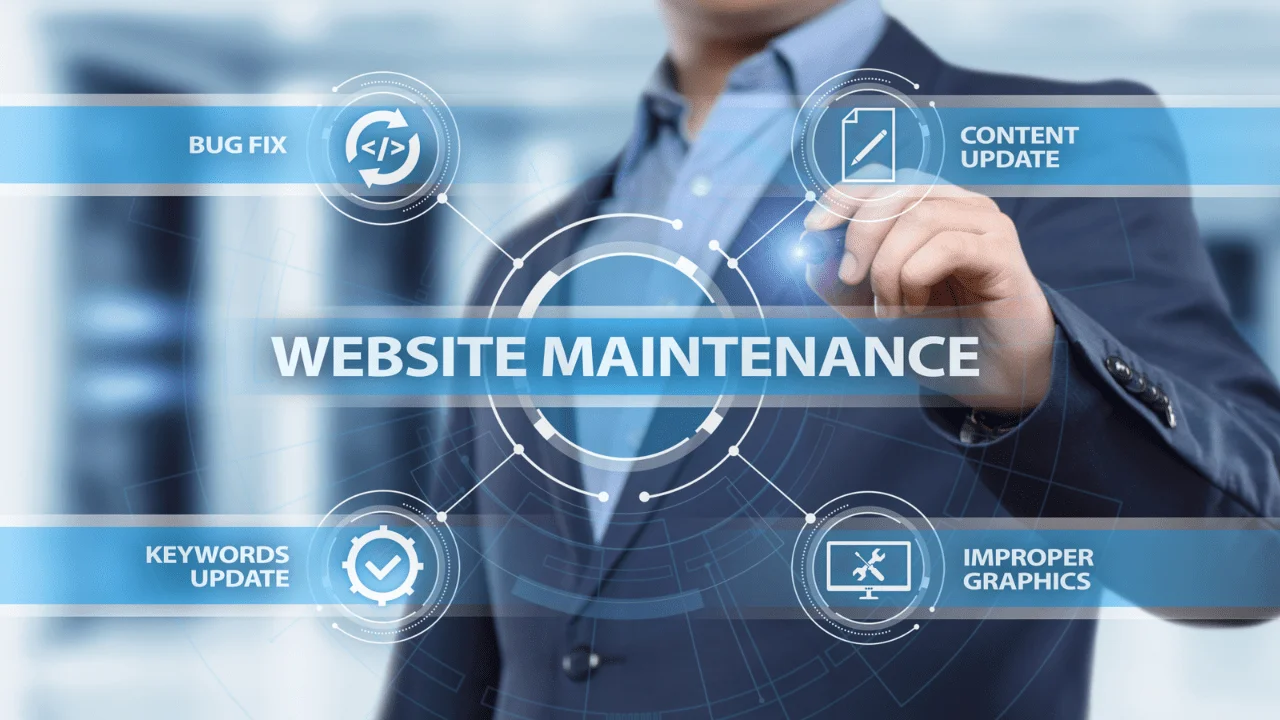
Keeping your website maintained is essential to staying relevant and functional! Ready to take it to the next level? Let’s work toward success together!
- Regular updates. Refresh your content with the latest company news, blog posts, or special offers. You need to make regular updates to the content to keep it engaging and aligned with audience interests.
- Conducting technical checks. Test page loading speeds, resolve broken links, and ensure mobile compatibility.
- Enhancing SEO. Stay on top of SEO trends to maintain competitive rankings on search engines.
Keep your website in top shape, and watch your online presence thrive! Regular maintenance isn’t just a chore—it’s the key to building a professional, long-lasting digital footprint that leaves a lasting impression. Let’s make your website a powerful tool for success!
Website Planning Tools
Website planning tools are essential for creating a successful online presence. Tools like Sitemap Builder, Diagram Maker, and Content Planner help businesses plan and create website content. These tools enable users to develop, gather, and organize their website’s content in a centralized workspace. Website planning tools help identify and fix pain points in the website’s navigation and content. They also help businesses create a clear and organized website structure and improve their website’s user experience. Tools like Design Mockups enable users to share their UX/UI designs and get feedback quickly. Website planning tools are designed to be user-friendly and easy to use, even for those without extensive design experience. These tools help businesses create a clear and intuitive design that improves customer engagement and conversion rates.
Website Planning Best Practices
Website planning best practices involve understanding the target audience and their needs. It’s essential to create a clear and concise website plan that aligns with the business’s goals and objectives. The planning process should involve research, analysis, and strategy. A website plan should include a clear vision, mission, and objectives. It’s essential to consider the website’s user experience, search engine optimization, and content creation. The planning process should involve regular review and updates to ensure the project stays on track. Website planning best practices involve using tools and resources to streamline the planning process. By following best practices, businesses can create a successful online presence that drives traffic, sells products, and establishes their brand identity.
Take Your Website Planning to the Next Level
Website planning doesn’t have to be overwhelming—let’s make it exciting! With these simple steps, you’ve got everything you need to build a site that delivers real results. Start by planning your website as a foundational step in identifying the target audience and creating a strategic plan. Set clear goals, understand your audience, and refine each stage of your plan. You’ve got this! Whether you’re a small business owner or bringing your passion project to life, this guide will help you create a strong foundation for success. Let’s get started and make your vision a reality!
Need a little extra help? Dive into website-building and SEO resources online, or team up with our web design experts in Vancouver to make your vision a reality! You’ve got this—take the next step and watch your digital dreams come to life!
