

Looking to create products that truly connect with your users? Engaging users from the start through consistent user involvement in the design process leads to better requirement setting and feedback throughout the project phases. With User Centric Design (UCD), you can build experiences that meet user needs and delight them at every touchpoint. Whether you're a UX designer looking to refine your approach or a custom web developer in Vancouver seeking seamless interfaces, this guide will walk you through the principles, processes and benefits of UCD. Let's get started!
What is User Centered Design
User-centered Design (UCD) is a design approach that puts the end-user's needs, wants and limitations at the heart of the design process. The user-centered design process involves understanding the target audience, their needs and goals to create intuitive, easy-to-use products that meet their requirements. By including user feedback and usability testing in the design process, designers can create products that are tailored to the user's needs resulting in increased user satisfaction and engagement. The UCD process is an iterative design process that involves continuous testing and refinement to ensure the final product meets the user's needs.
Defining the Concept
At its core, User-Centered Design (UCD) is an iterative design framework that prioritises users' needs, goals, and feedback throughout every stage of the development process. This approach involves deeply understanding the target audience through research, testing, and continuous feedback to ensure the final product aligns with their expectations and solves their problems.
User goals within the UCD process are key, as aligning business requirements and product development with these goals leads to engagement, adoption, and, ultimately, better product experiences. UCD puts users at the forefront of decision-making, resulting in experiences that are not only functional and intuitive but also engaging and meaningful. By embracing UCD, designers and developers can create solutions that truly resonate with users and build long-term satisfaction.
In short, it's about designing for users and with users.
Why does UCD matter in Modern Website Development?
User expectations are changing. With a growing emphasis on usability, accessibility, and personalization, competitors will leave behind products that don't meet these expectations. UCD bridges the gap between business goals and user needs so what you create is relevant, effective, and enjoyable.
But this isn't just about the users. A user-centric approach also yields tangible business benefits like reduced development costs, lower churn rates, and increased product loyalty. Interested? Keep reading to learn more about the principles and processes behind the magic.
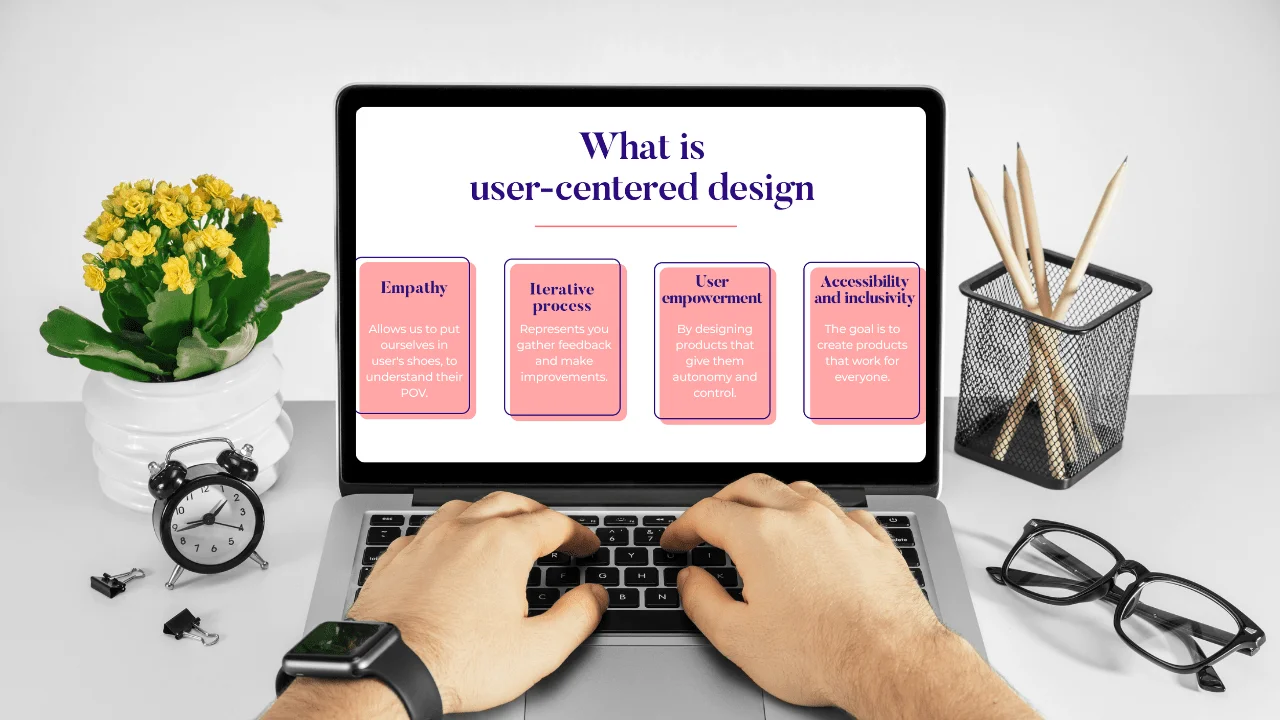
The Core Principles of User Centered Design
User-centered design is all about creating products that truly work for your users—because when you prioritize people, amazing things happen! This process is guided by key user-centered design principles that focus on understanding user needs, behaviors, and preferences. Let's dive into two of the most important key principles and how they can transform your design approach!
Empathy: See Through Your Users' Eyes
Empathy is the heart of User-Centered approach. It's about stepping into your users' shoes and seeing the world from their perspective. What are their frustrations? What excites them? Understanding their emotions, motivations, and challenges allows you to create solutions that truly resonate. When you design with empathy, you're not just building a product—you're building something that solves real problems and makes a meaningful impact.
Iteration: Keep Improving, Keep Winning
Iteration is your secret weapon for success! It's all about testing, learning, and continuously improving your design. User feedback is your best friend here—get it early, get it often! Run user tests to see how people interact with your product and use their insights to make impactful changes.
And here's the best part: don't be afraid to "fail fast." Every hiccup is an opportunity to learn and get better. Spot those flaws, tackle them head-on, and refine your product quickly. With each iteration, you're moving closer to a design that truly meets user preferences and expectations.
Remember, every tweak and improvement brings you closer to creating something exceptional. So keep going, keep learning, and let your users guide you to success! You've got this!
Understanding Target Users and Their Needs
Why build a product if you don't clearly understand who it's for and what it needs? Understanding the target users you're designing for is the heart of UCD. Learn about their behaviours, pain points and goals. Explore their contexts, from cultural nuances to accessibility needs and Design with empathy.
Iterative Design and Continuous Feedback
User-Centered Design (UCD) is an iterative process, not a one-time effort or a box to check off. It involves continuously putting the target user at the heart of the design journey. Designers must consistently test their ideas, collect feedback from real users and refine their product through iterative cycles. This ongoing approach ensures the product evolves based on actual needs and behaviors, not assumptions. Early and regular testing is key as it allows teams to identify pain points, uncover opportunities and make necessary adjustments. By following this method, you move closer to creating a solution that truly works for your users, delivering value and enhancing the overall experience.
The User Centered Design Process
UCD follows a structured and thoughtful approach to Design. Here's an overview of each phase:
1. Research and User Analysis
Start by conducting research to identify user needs, behaviors, and challenges. Then, use methods such as user interviews, surveys, and contextual inquiries to gather in-depth insights.
2. Ideation and Conceptualization
Filter your research insights into actionable ideas using design methods. Concepts are brainstormed, critiqued and then turned into tangible solutions. Tools like user personas and journey maps are useful during this stage.
3. Prototyping and Testing
Next, prototypes ranging from low-fidelity wireframes to interactive high-fidelity versions will be created. They will be tested with real users to gather feedback and identify usability issues before full-scale development.
4. Implementation and Refinement
Finally, implement the Design, but remember the job isn't done! Monitor user feedback post-launch and refine continually to improve the product.
Key Methods and Tools Used in UCD
User Interviews and Surveys
Talking to your users directly is one of the best ways to uncover their real challenges and gain valuable insights into their needs. Using both qualitative and quantitative data is key to understanding user needs and behaviors. Understanding their pain points can create better solutions and improve their overall experience. Tools like Typeform or Google Forms make creating and distributing surveys simple and effective so you can gather feedback quickly and efficiently. These tools also help you analyse responses to identify patterns and key areas for improvement.
Personas and User Journey Mapping
User personas represent your ideal users, capturing their goals, behaviours, and pain points. User journeys map out their specific steps while interacting with your product. Creating a user journey map is crucial for identifying touchpoints, pain points and user goals, which can ultimately enhance the user's overall experience. These tools work together to provide a deeper understanding of your audience so you can identify opportunities to enhance their experience. Together, they ensure your Design stays laser-focused on solving real-world problems and meeting the actual needs of your users.
Usability Testing and A/B Testing
Usability tests, like those with UsabilityHub and A/B testing with Optimizely, are essential for gathering user feedback and improving product design. These tools allow you to gather real user feedback and validate your decisions with data, not assumptions. You can see what works by observing how users interact with your product and comparing different versions of designs or features. Always prioritize your users' actions and behaviours over assumptions to create experiences that truly resonate with your audience.
Wireframing and Rapid Prototyping Tools
Popular tools like Figma, Sketch and Adobe XD allow designers to turn ideas into tangible visuals quickly and efficiently. Iterative testing is key in this process as it improves usability and product enhancement by allowing continuous user feedback and necessary adjustments. These platforms offer a range of features, from collaborative design spaces to prototype testing, so teams can work together seamlessly. Early visuals help stakeholders understand the project vision and give users a clear representation of the concept so they can give meaningful and actionable feedback that drives improvements.

Target Audience
Understanding the target users is a key part of the user centered design process. This means creating user personas to represent the ideal user and understanding their needs, goals and behaviors. User research is conducted to gather quantitative and qualitative data about the target audience, including user flows, journeys, and pain points. By understanding the target users, designers can create design solutions that meet their needs and exceed their expectations. The target audience is segmented into user groups, each with their own characteristics, needs and goals. Understanding these groups allows designers to create products that cater to the diverse needs of the user base.
Business Requirements and Goals
Business requirements and goals play a big part in the user centered design process. The UCD process involves aligning business objectives with user needs to create products that meet both business and user requirements. Design and development teams work together to ensure the product development process is centered around the user's needs while also meeting the business needs. The UCD process involves lots of research, user testing, and iterative design to ensure that the final product meets the needs of both the user and the business. By incorporating user-centered design principles into the design process, businesses can increase customer satisfaction and customer retention and ultimately drive business success.
Information Architecture
Information architecture is a key part of the user centered design process. It involves organising and structuring content in a way that's intuitive and easy for users to navigate. The information architecture should be centered around the user's needs with a clear and simple search function so users can find what they are looking for quickly and easily. The UCD process involves creating user journeys and user flows to understand how users interact with the product and identify areas where unnecessary mental effort can be reduced. By creating an intuitive information architecture designers can increase user engagement, reduce user frustration and improve the overall user experience.
Why UCD Makes Business Sense
Here's why investing in UCD makes business sense:
- More Customer Satisfaction: Products designed with user input often hit the mark. Happy users lead to repeat business. User satisfaction guides product development decisions and measures engagement through satisfaction engagement.
- Less Development Costs & Time: Identifying issues early means less rework, saving time and money in the long run.
- Higher Product Adoption Rates: Aligning features with real user needs increases the chances users will adopt and love your product.
Common UCD Challenges
Balancing Business Goals and User Needs
Sometimes, business goals conflict with user expectations. Engaging with end users at every phase of the project life cycle, including extensive research, conceptualization, Design, and evaluation, is key to ensuring products are tailored to user needs and improve overall usability. Finding the right balance is critical to delivering sustainable solutions.
Handling Conflicting User Feedback
Not all users want the same thing. Prioritise and validate insights carefully to make meaningful decisions.
Resource and Time Constraints
UCD requires time and resources that startups or smaller businesses may not have upfront. However, scaled-down versions of the process can still deliver results.
Best Practices for UCD
Involve Users Early and Often
User involvement is key in the UCD process; engage real users from the beginning and throughout the project to ensure their needs and feedback shape the product.
Develop Empathy for Your Users
Understanding user needs and preferences to develop empathy for your users is critical to making design decisions based on real insights, not assumptions. Spend time understanding your users' goals, pain points, behaviors and environments.
Prioritise Accessibility and Inclusivity
Design for all users, including those with disabilities, by following accessibility standards like WCAG and adopting inclusive design principles.
Creating efficient and user friendly products through human-computer interaction is key to ensuring all users have a good experience.
Use Iterative Design and Continuous Testing
Create prototypes early, test with users frequently and refine designs based on real feedback not internal opinions. Balancing user needs with business goals throughout the design process is critical to the final Design.
Collaborate Across Disciplines
Involve designers, developers, marketers, and product managers to create a more holistic user-focused solution. Ideation and establishing a strong brand vision are part of the UCD process, ensuring user personas and scenarios are well understood before proceeding with product features and benefits.
Create Personas
Develop multiple personas based on research to understand diverse target audiences and guide decision making while keeping user needs front and center.
Map the Whole User Journey
Mapping the user journey from the user's perspective, and identifying pain points and opportunities for improvement can help us understand and optimize the full user experience.
Keep it Simple and Clear
Don't overcomplicate the Design—focus on simple, intuitive experiences that make it easy for users to achieve their goals.
Aligning designs with users' existing mental models is key to reducing user confusion and improving the experience.
Document and Share User Insights
Keep user research findings visible to all team members so decisions stay aligned with user needs. A solid understanding of User-Centred Design principles is essential for documenting and sharing these insights so the team understands customers' needs and desires on a deeper level to create meaningful experiences.
Be Open to Change
User needs and technology change—be flexible and willing to adapt designs based on new data and emerging trends. Continuous user feedback and testing are key to higher user adoption by ensuring solutions are tailored to user needs and preferences.
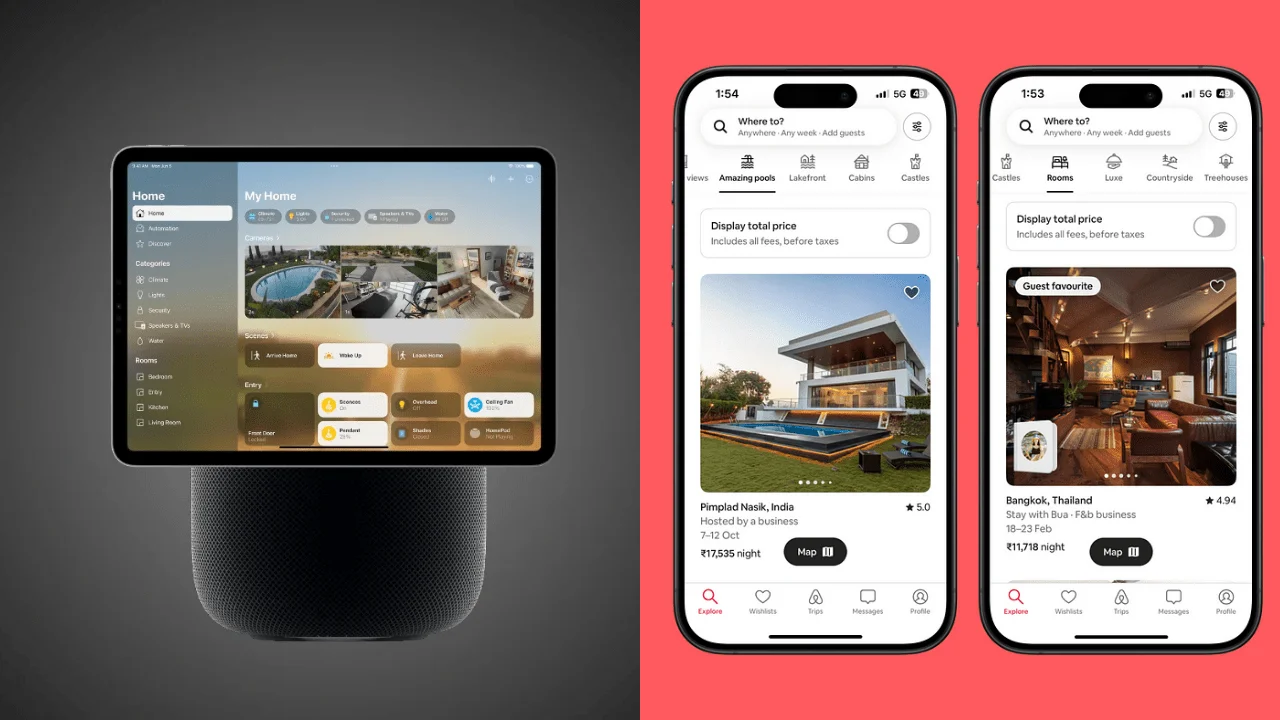
Real World Examples of User Centred Design
Nothing beats inspiration from the experts:
- Apple's Intuitive Design: Apple is user first. From seamless hardware to user-friendly interfaces, they focus on simplicity and delight. This shows the importance of user centred Design in creating products that put user needs and preferences first.
- Airbnb's Seamless Experience: Airbnb uses UCD to collect continuous user feedback and iterate features to create a frictionless booking experience.
The Future of User Centered Design Approach
- Artificial Intelligence and Machine Learning: AI and ML are changing UCD by enabling hyper-personalised experiences, predictive analytics and smarter interfaces that adapt to individual behaviour in real-time. Hyper-personalized experiences lead to higher user engagement by improving usability and satisfaction.
- Ethical Design: As technology gets more powerful, designers must prioritise ethical considerations like data privacy and user consent and prevent addictive or manipulative design patterns.
- Designing for Voice, Gesture and Immersive Technologies: With voice assistants, AR/VR, and gesture-based interactions, UCD will need to adapt to create seamless experiences across non-traditional interfaces.
- Inclusive and Accessible Design as Default: Accessibility and inclusivity will move from being an afterthought to a requirement so products work for everyone, everywhere, and in every context.
- Emotional and Empathy Led Design: Design will move beyond functionality to deeply consider users' emotional journeys, creating experiences that resonate on a human and psychological level.
- Continuous User Feedback Through Real-Time Analytics: Advanced analytics and in-product feedback tools will allow teams to gather real-time user feedback, making UCD a continuous process, not a phase.
- Sustainable User Experience Design: As environmental concerns grow, UCD will also focus on sustainability—minimising digital waste, promoting eco-friendly user behaviour and designing for long-term product relevance.
Build Better, Build Smarter, Build With UCD
User-centered design is more than a framework; it's a way of thinking. By focusing on empathy, iteration, and collaboration, you can create products that resonate with your audience.
Now it's your turn! Whether you're a UX designer honing your skills or a developer looking to create seamless interfaces UCD is your toolset. Remember, every great product starts with understanding its users. Implement UCD principles and see the difference.
Want to learn more about user-first product design? Contact our web design company in Vancouver or attend workshops for professionals like you.
